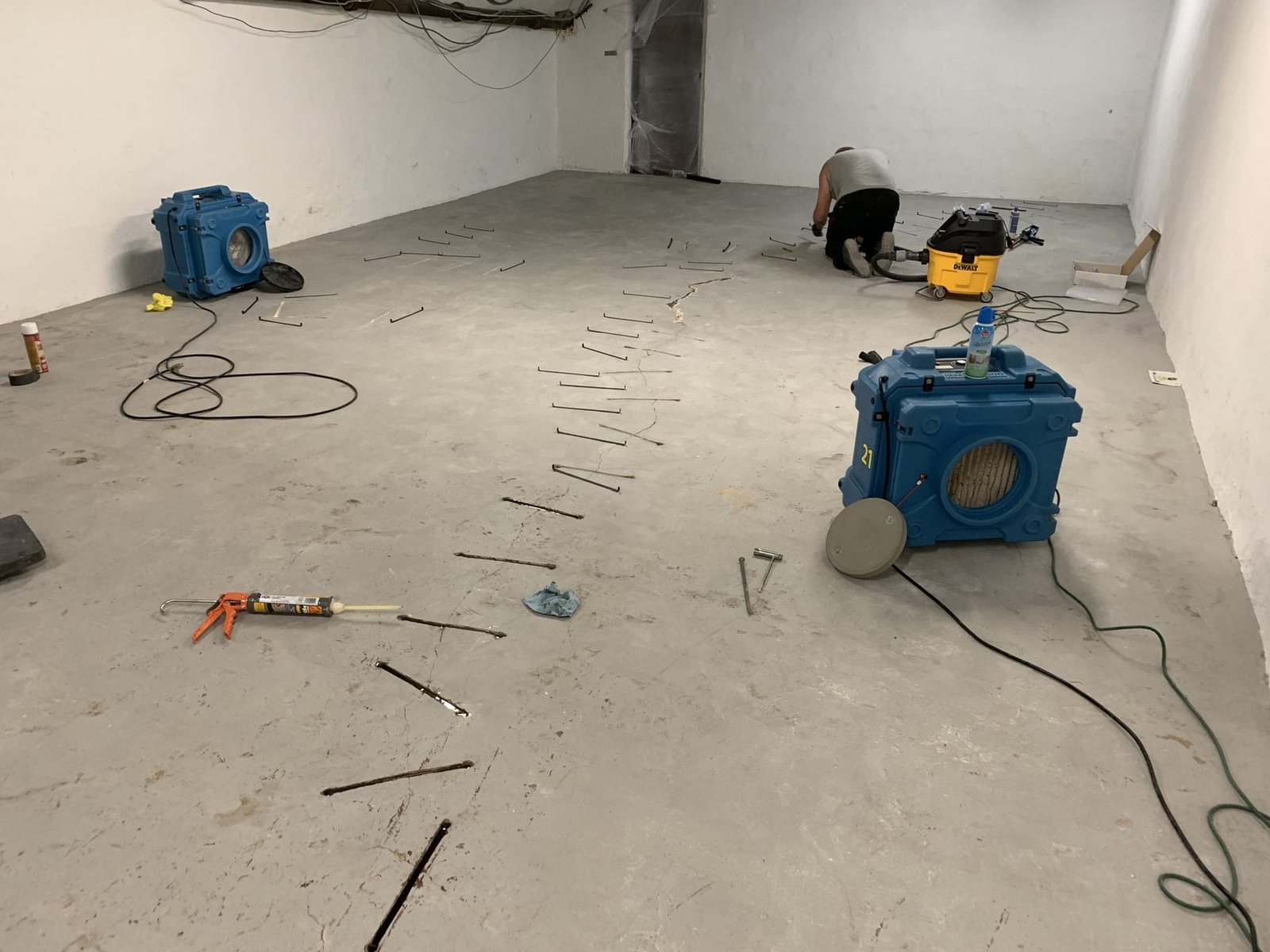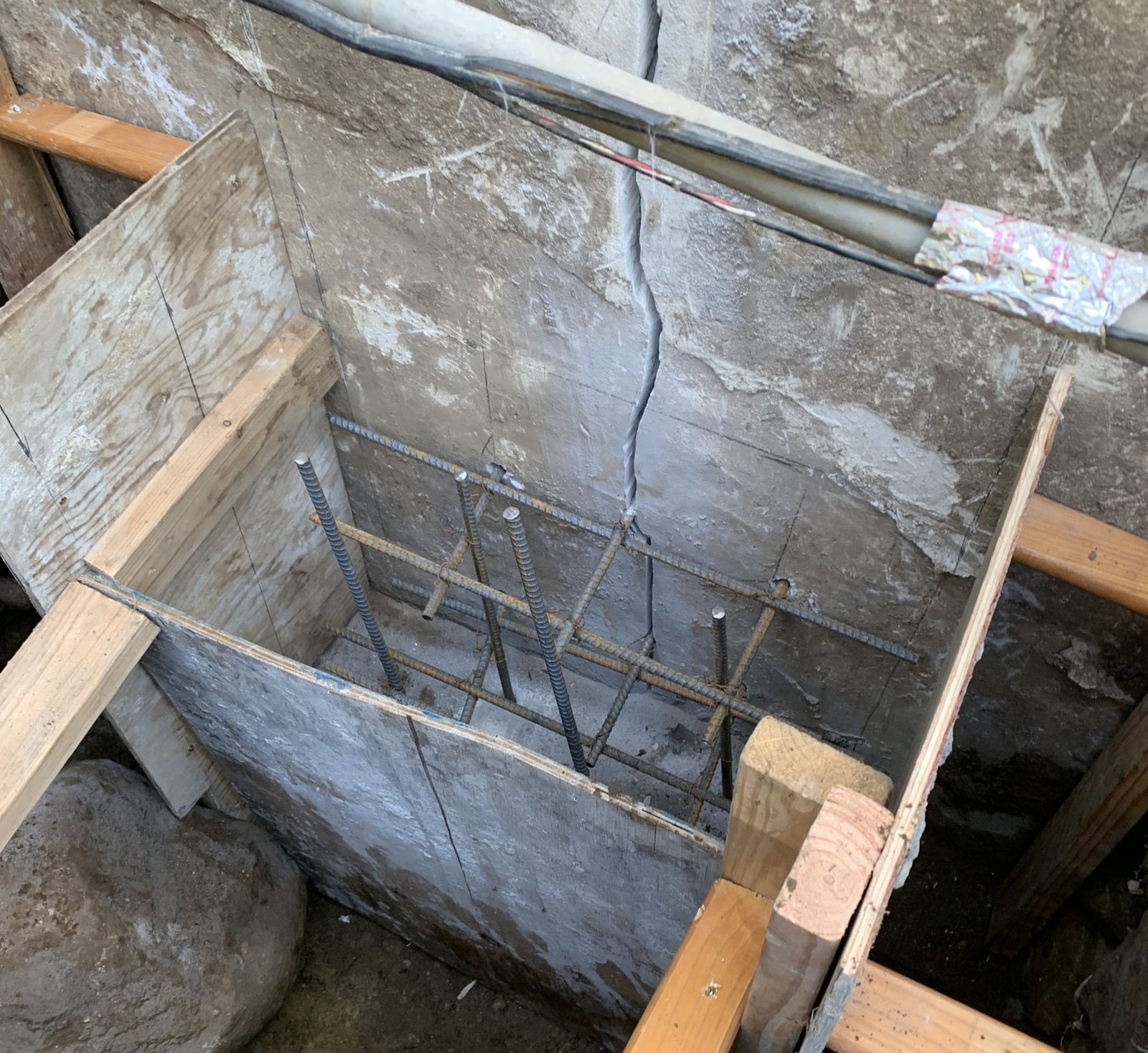
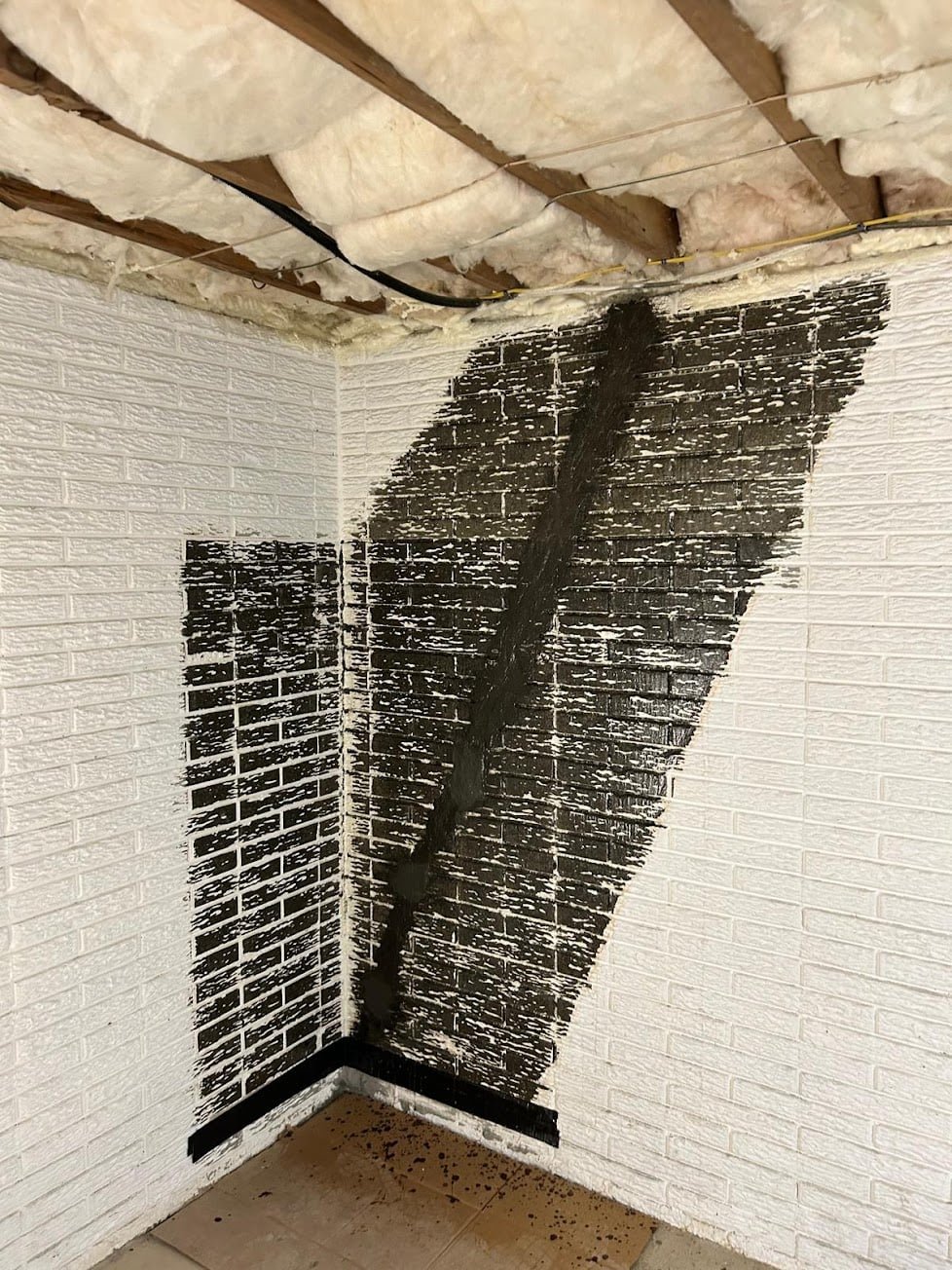

If you've ever stood in your basement watching water bead through a crack that someone already quoted you thousands to fix, you're not alone. At We Fix Cracks we decided to stop guessing and put a number on it. We pulled every job we completed across 2023 and 2024, 325 completed projects across Fairfield County, CT and Westchester County, NY, and classified each one by whether it was a first-time repair or a re-repair of work done by another contractor in the prior few years.
The result surprised even us.
What we counted, and how
We wanted hard numbers, not a vibe. For every one of the 325 jobs we completed in the two-year window, Raf (our owner) and the technician on-site documented:
- Whether the crack, leak, or structural issue had been previously addressed by another company within the last 3–5 years
- Physical evidence of the prior repair, caulk, hydraulic cement, epoxy beads, drain tile stubs, injection ports, carbon fiber remnants
- The original failure mode (why the prior repair did not hold)
- What we had to redo to actually solve the problem at the root cause
If we couldn't confirm evidence of a prior repair, we classified the job as a first-time repair, even if the homeowner told us someone had looked at it. Our 68% number is conservative.
What failed, the five most common patterns
Out of the 221 re-repairs, roughly 90% fell into five repeating patterns. Every experienced foundation technician will recognize these.
1. Hydraulic cement on active cracks (34% of re-repairs)
Hydraulic cement expands as it cures, which makes it popular for patching cracks, but it has zero tensile strength. The moment the wall flexes again (seasonal soil pressure, freeze/thaw), the patch pops out and water returns. We saw this in 75 jobs. The correct solution is almost always polyurethane or epoxy injection, which bonds to the concrete and flexes with the wall.
2. Surface caulk or sealant only (22%)
Silicone or urethane sealant smeared across the face of a crack. Cosmetic fix that traps water behind the seal, leading to efflorescence, peeling paint, and eventually mold. The crack is still there, you just can't see it anymore. 49 of our jobs had some version of this.
3. Injection that didn't reach full depth (14%)
Injection is the right method, but only if the resin reaches the full thickness of the wall. When injection ports are spaced too far apart, or the injector gives up after a short pour, the resin plugs the interior side but the exterior side still leaks. Water finds the weakness. 31 of our jobs had evidence of partial-depth injection.
4. Symptom-only repair, root cause ignored (12%)
The crack is a symptom. The cause might be a downspout discharging at the foundation, grading that slopes toward the house, a clogged French drain, or a tree root pushing against the wall. 27 of our jobs involved a cosmetically perfect repair that failed because the exterior conditions were never addressed. Fix the cause first, then the crack.
5. Wrong method for the wall type (8%)
Poured concrete walls crack differently than CMU (block) walls. Block walls can't be injection-filled the same way, the hollow cores and mortar joints need a different approach (often fiber-reinforced surface coatings, sometimes helical tiebacks). We found 19 jobs where a poured-concrete technique had been applied to a block wall. Predictable failure.
What this costs homeowners
Across the 221 re-repairs, the average homeowner had paid between $1,200 and $4,500 for the first attempt, then paid us an average of $6,900 to actually solve it. Total average out-of-pocket: $11,400, vs. what would have been a $6,500 one-time repair if done right. A $5,000 penalty per home for hiring the wrong contractor first.
Why does this keep happening?
We don't think the other contractors are trying to rip people off. Foundation repair is genuinely hard, and the failure modes are often invisible for 6–24 months after a job finishes. A contractor who leaves a homeowner with a 'dry' basement in October won't necessarily hear about the re-leak the following spring, because by then the homeowner has often given up and called someone else. That someone else is often us.
The industry also has a steep training curve. Many large outfits run high sales volume on a relatively thin technical bench, workers get monthly sales scripts but not hundreds of hours of certified material training. When the job requires judgment, the default is often the simplest visible fix (caulk, hydraulic cement) even when a harder method would hold.
How to vet a contractor before you sign
If you're interviewing contractors for a crack repair, these are the questions that usually separate the technicians from the salespeople:
- 1What exact material are you using, and why that one? (Ask for the manufacturer name. If they can't answer, walk.)
- 2How will you confirm the resin reaches the full depth of the wall?
- 3What could cause this repair to fail, and what would you do differently if it did?
- 4Who is doing the work, you personally, or a subcontractor?
- 5What is the warranty? Is it transferable if I sell the house? Get it in writing.
- 6Can you show me before/after photos of a similar wall type (poured concrete vs. block) in your last 30 days of work?
What we do differently
Our own methodology evolved directly out of seeing what fails. Every job at We Fix Cracks includes root-cause exterior assessment (downspouts, grading, drainage), wall-type-specific material selection, full-depth injection verified by back-pressure, and a lifetime transferable warranty on qualifying structural repairs. If a repair we did ever leaks, we come back and redo it at no cost, including to the next homeowner if you sell the property.
That isn't generosity, it's math. When you actually fix the root cause with the right material, re-leaks are rare enough that the warranty costs us less than the trust it buys. 68% of our work shouldn't have to be re-repair. We're trying to bend that number down, one job at a time.
Raf Volkov
Raf has personally inspected and supervised more than 1,300 foundation repairs across Fairfield County, CT and Westchester County, NY since 2002. He attends World of Concrete and manufacturer trainings every year, currently holds 60+ active industry certifications, and works with a scientific background spanning microbiology, toxicology, and structural engineering — applied to every wall, slab, and footing we touch.
Got a crack that needs a real diagnosis?
We service Fairfield County CT and Westchester County NY. Free on-site inspection, honest root-cause diagnosis, written quote, no obligation.