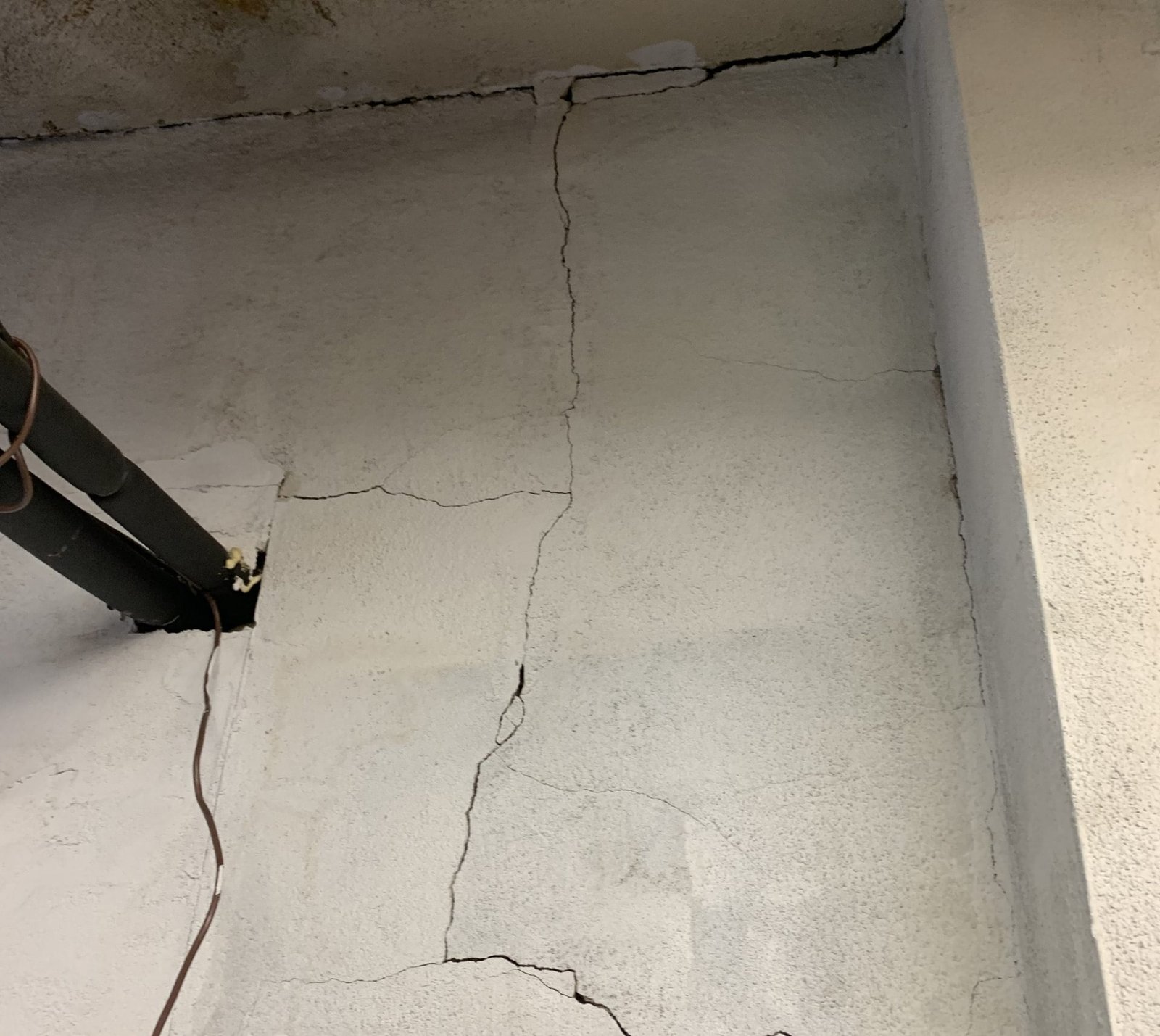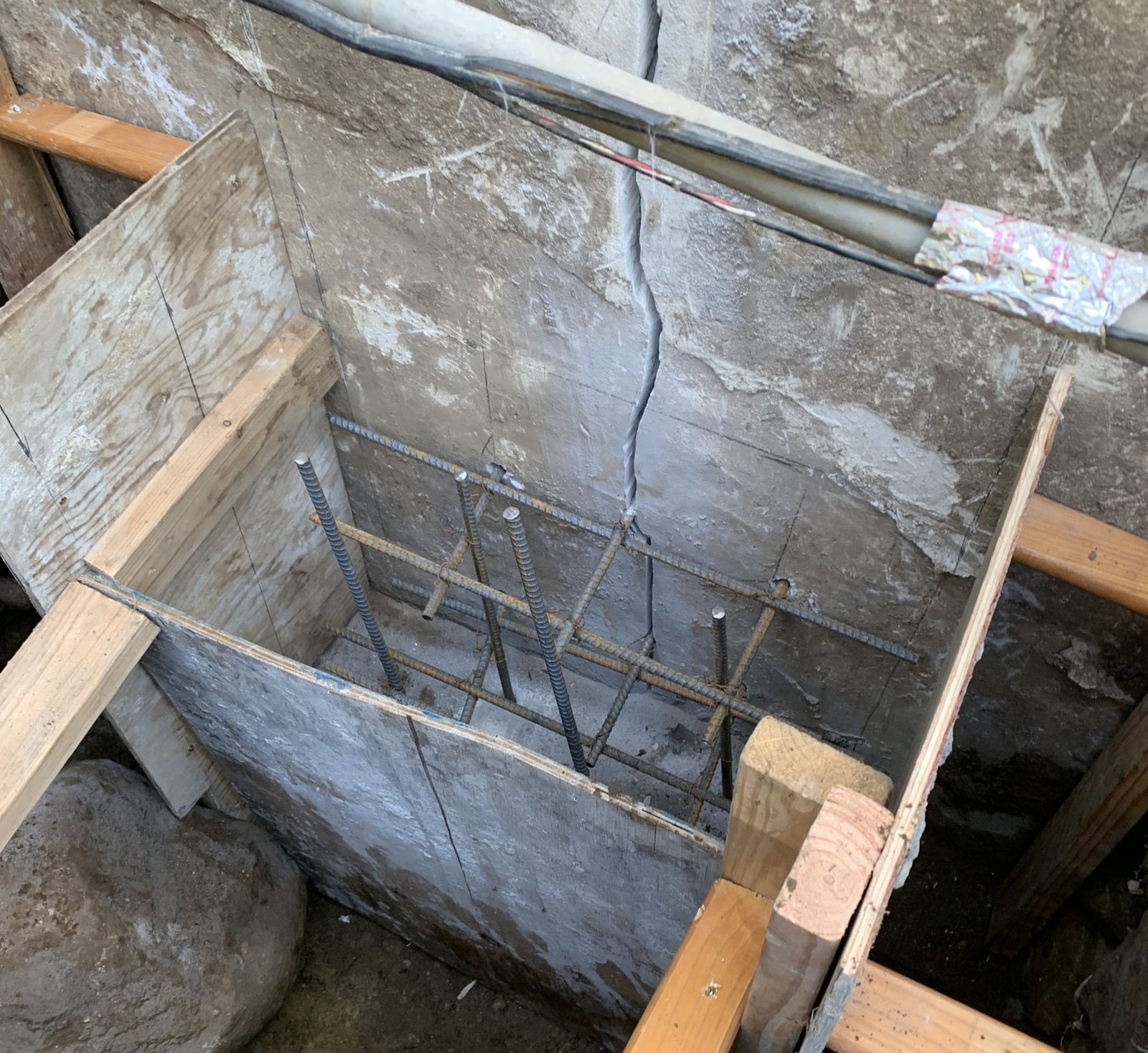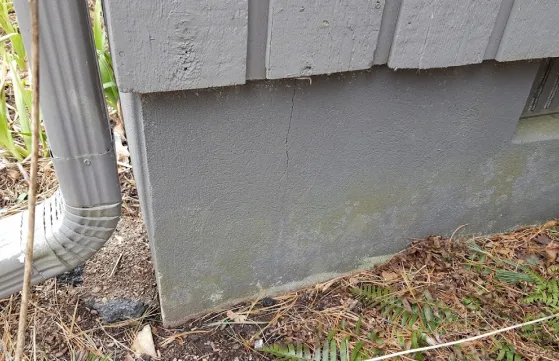
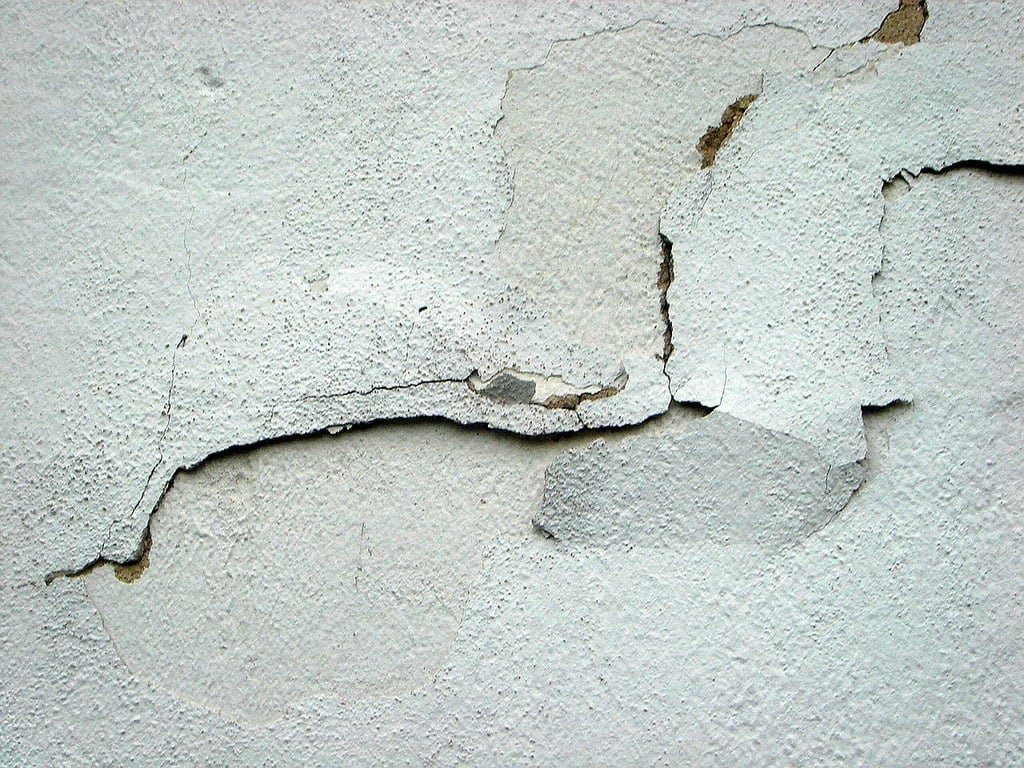

Older houses often have plaster walls. Plaster is a durable and beautiful surface, but it has a drawback, cracks certainly appear in plaster walls. Latex paint can mask small cracks temporarily, but concealment only lasts hours or months. Small cracks in the plaster continue to appear.
It's wiser to stretch and fix them all at once. You don't even need a special plaster repair kit. One way to quickly repair cracked drywall is to use basic drywall tools and concrete crack repair products available at any home repair store.
Repair Small Cracks With Plaster
The smaller the crack, the easier it is to repair, at least if the plaster is firmly attached to the plank inside the hole in the wall. The first step in repairing small cracks is to widen them. Use a spatula or putty knife to cut the edges of the crack and open the sides to about 1/8 inch. Take your time. Use a shop vacuum to remove debris and dirt from the cracks.
Make A Clean Canvas
Dip a medium bristle brush in TSP and water and gently remove any debris or dirt from the cracks.
Measure & Cut The Tape
Measure drywall tape or fiberglass tape in small segments, cut, and fill cracks. Pre-cutting the tape will speed up your job and prevent random creases, folds, or irregularities. Use scissors or a craft knife to cut the ribbon. Peel off the tape by hand leaving jagged edges.
Apply Layer(s) Of Joining Compound
Applying sealant is an important step in ensuring an excellent surface finish. Coat the cracks with a thin layer of the joint compound, making the path a little wider than the paper tape. Repeat this several times to make sure the tape fits snugly into the crack.
Tape Over The Joining Compound
Tape the cracks and smooth them out with a spatula. The goal is to smooth the tape and ensure complete contact with the compound without wrinkles or air pockets. Don't overdo it. Allow the compound to dry completely.
Apply Layer Of Joining Compound Again
Apply another layer of mix over the tape to make the tape invisible and extend over the edge a few inches. Flatten the compound so that it is flush with the surrounding surface. Let it dry completely.
Lightly Sand The Area
Lightly sand with medium sandpaper wrapped around a block. Allow the surface to dry for at least 24 hours after the final coat.
Primer
A primer is applied to the surface so that the topcoat can easily adhere. Once the compound is completely dry, apply a primer coat to the surface.
Clean The Patched Crack
Clean the patch and the area around it with a professional vacuum cleaner and wipe with a dry cloth.
Raf Volkov
Raf has personally inspected and supervised more than 1,300 foundation repairs across Fairfield County, CT and Westchester County, NY since 2002. He attends World of Concrete and manufacturer trainings every year, currently holds 60+ active industry certifications, and works with a scientific background spanning microbiology, toxicology, and structural engineering — applied to every wall, slab, and footing we touch.
Got a crack that needs a real diagnosis?
We service Fairfield County CT and Westchester County NY. Free on-site inspection, honest root-cause diagnosis, written quote, no obligation.