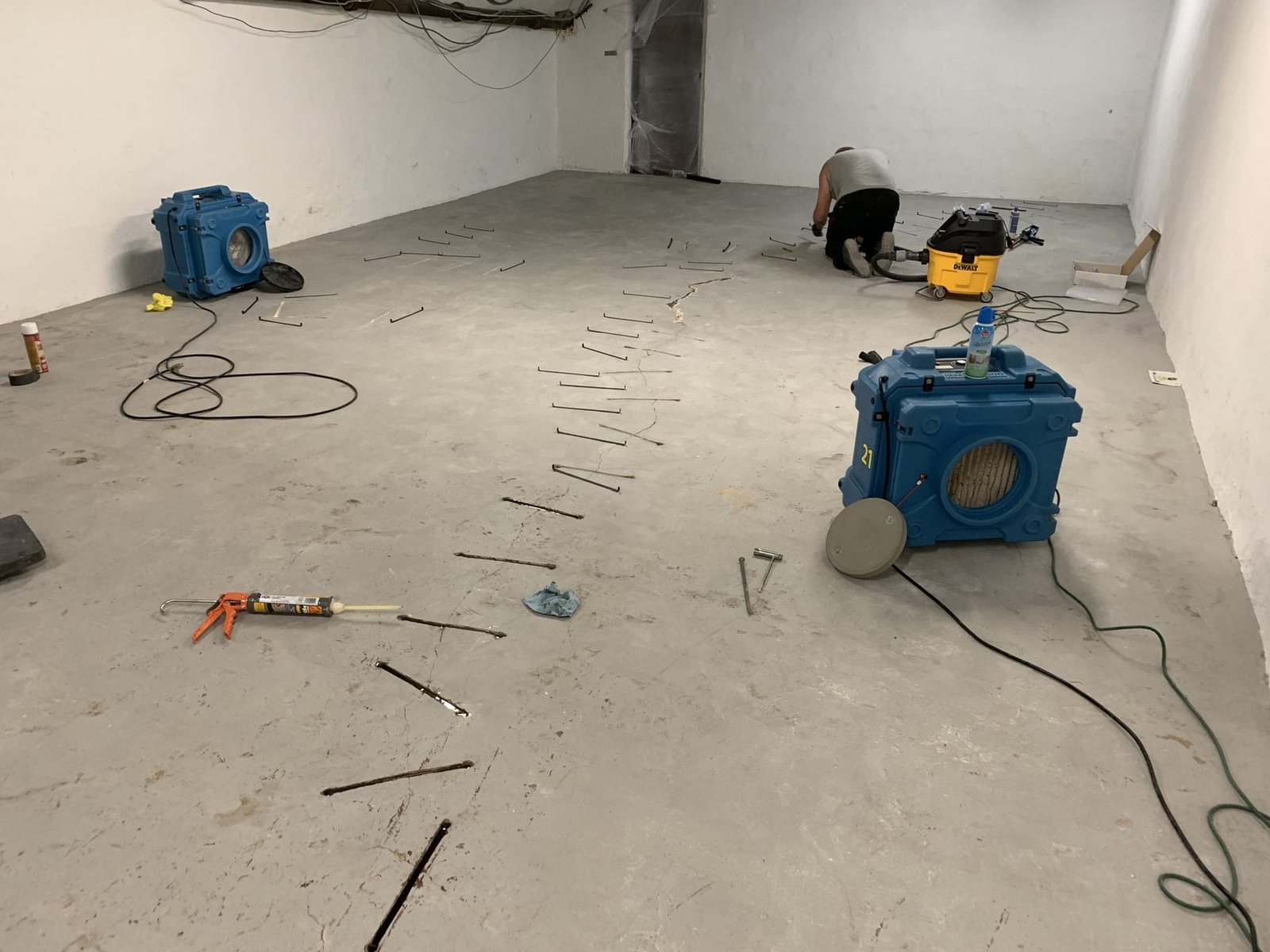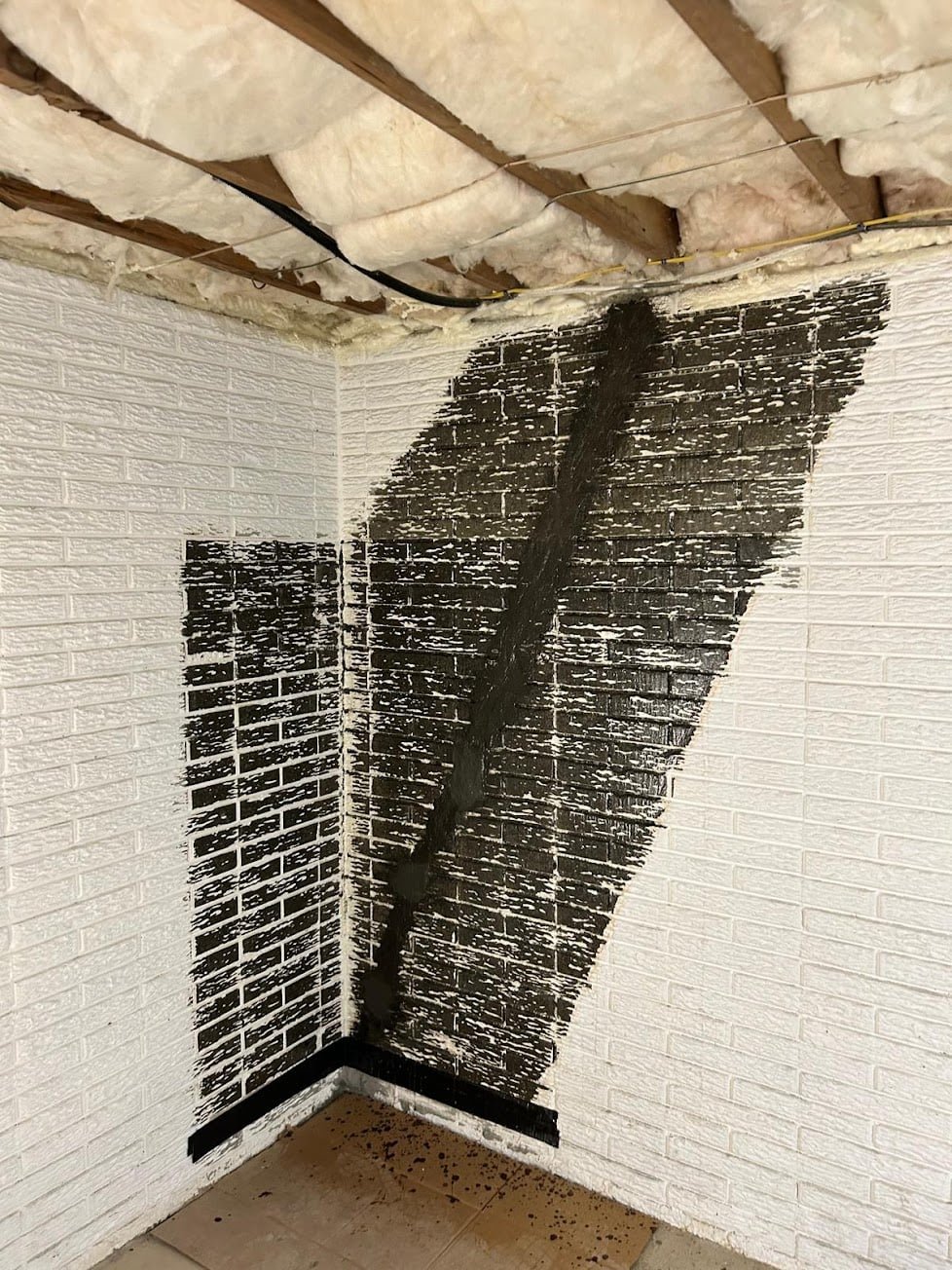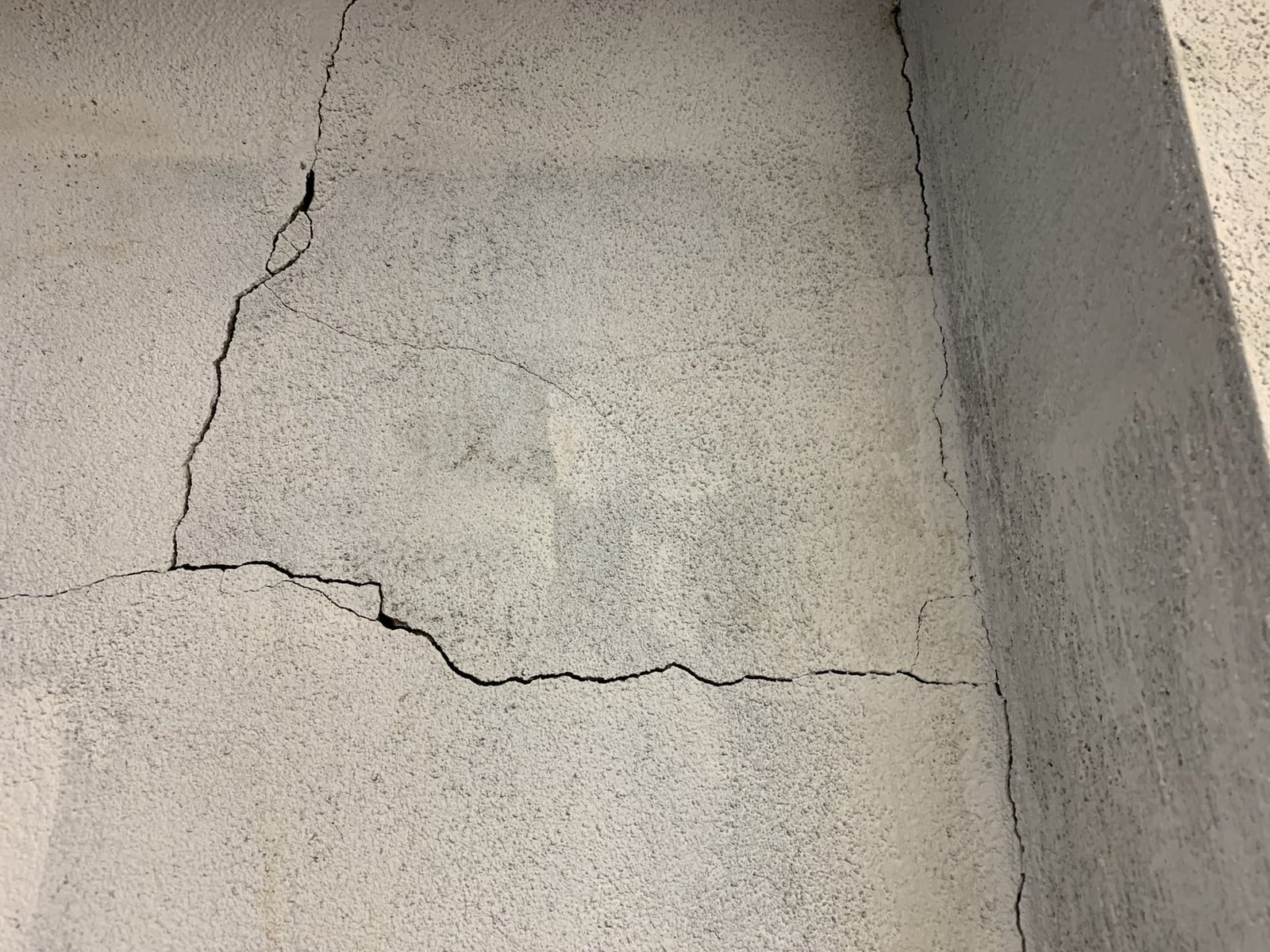
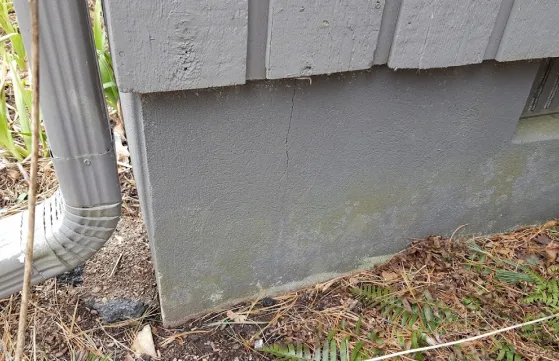

Concrete foundation cracks can develop for a number of reasons, including soil settling, changes in temperature or moisture, shoddy building techniques, or structural issues. Concrete cracks in the foundation must be repaired as soon as possible because they can eventually result in significant structural damage.
What Are The Main Causes Of Concrete Foundation Cracks?
- 1Heavy loads: The foundation may eventually crack if heavy loads are placed on it.
- 2Earthquakes: The foundation may shift or crack as a result of seismic activity.
- 3Tree roots: Tree roots can spread and saturate the foundation, which will eventually cause it to crack.
- 4Shifting groundwater: Changes in the water table can cause the soil near the foundation to move, resulting in cracks.
- 5Poor construction techniques: A foundation built incorrectly or with low-quality materials is more susceptible to cracking.
- 6Hydrostatic pressure: Excessive moisture near the foundation can build pressure, leading to cracks.
- 7Frost heave: In colder climates, water in the soil may freeze and expand, pushing the foundation upward.
- 8Soil movement: The foundation may crack if the soil beneath it moves or settles.
In order to address the issue of a cracked concrete foundation, it is crucial to determine the root cause. Repairing the crack may be the only necessary fix in some circumstances, but other situations may call for more involved repairs or even foundation replacement.
What Are The Different Types Of Foundation Cracks?
Hairline cracks
These tiny cracks might not need to be repaired unless they are dripping. Epoxy injection or other specialized crack repair techniques can be used to fix them.
Vertical cracks
Usually brought on by the foundation settling or shifting, these cracks run straight up and down. Small vertical cracks might not need to be repaired, but larger cracks require professional attention, like foundation replacement or underpinning.
Diagonal cracks
These slanted cracks can be brought on by settling, soil movement, or poor building techniques. Larger cracks need professional attention, such as underpinning or foundation replacement.
Horizontal cracks
Usually brought on by hydrostatic pressure or soil pressure, these cracks run parallel to the ground. They might need extensive repairs, like foundation replacement or stabilization, and they could be an indication of severe structural damage.
Stair-stepping cracks
Cracks that resemble stair steps, vertical and diagonal. They frequently result from the foundation settling or shifting and may need professional assistance, such as foundation replacement or underpinning.
Heaving cracks
Usually brought on by freezing or too much moisture, these cracks appear when the soil beneath the foundation expands. By stabilizing the foundation and addressing the underlying soil issue, they can be fixed.
How To Fix Or Prevent Foundation Cracks
- 1Address the underlying issue: If the crack signals a bigger problem like soil movement or structural issues, fix the cause first to prevent further cracks.
- 2Repair the crack: Small cracks may be repaired with a concrete patching compound. Larger or structural cracks require professional repair.
- 3Monitor the crack: Keep an eye on it over time to see if it deteriorates or additional cracks form, this signals a deeper issue.
- 4Identify the cause: Understanding origin (soil movement, structural, moisture) guides the right solution.
A drainage system, proper grading around the foundation, and high-quality construction techniques are the most effective preventative measures. If you're unsure how to proceed, consult with a specialist who can offer both advice and experience.
Raf Volkov
Raf has personally inspected and supervised more than 1,300 foundation repairs across Fairfield County, CT and Westchester County, NY since 2002. He attends World of Concrete and manufacturer trainings every year, currently holds 60+ active industry certifications, and works with a scientific background spanning microbiology, toxicology, and structural engineering — applied to every wall, slab, and footing we touch.
Got a crack that needs a real diagnosis?
We service Fairfield County CT and Westchester County NY. Free on-site inspection, honest root-cause diagnosis, written quote, no obligation.