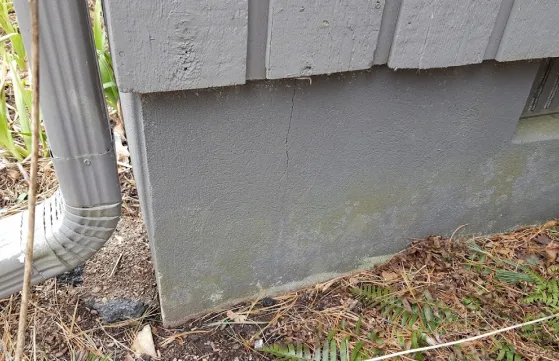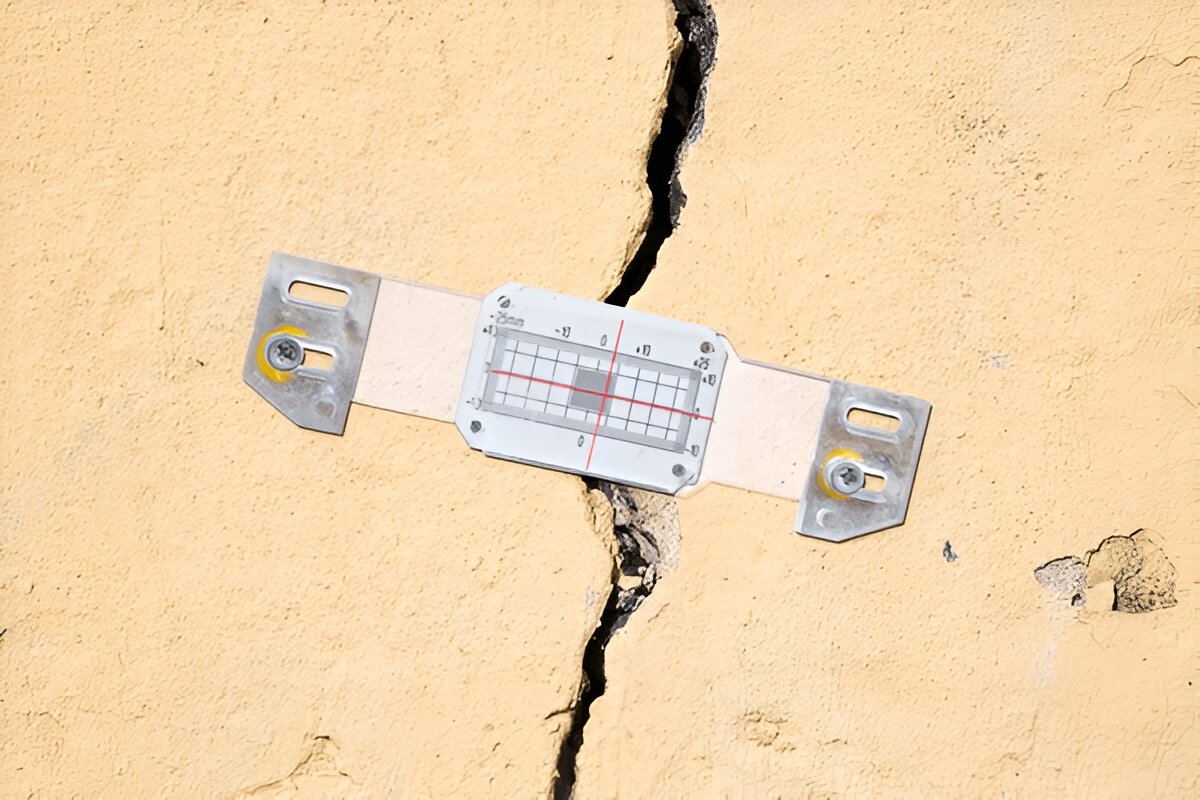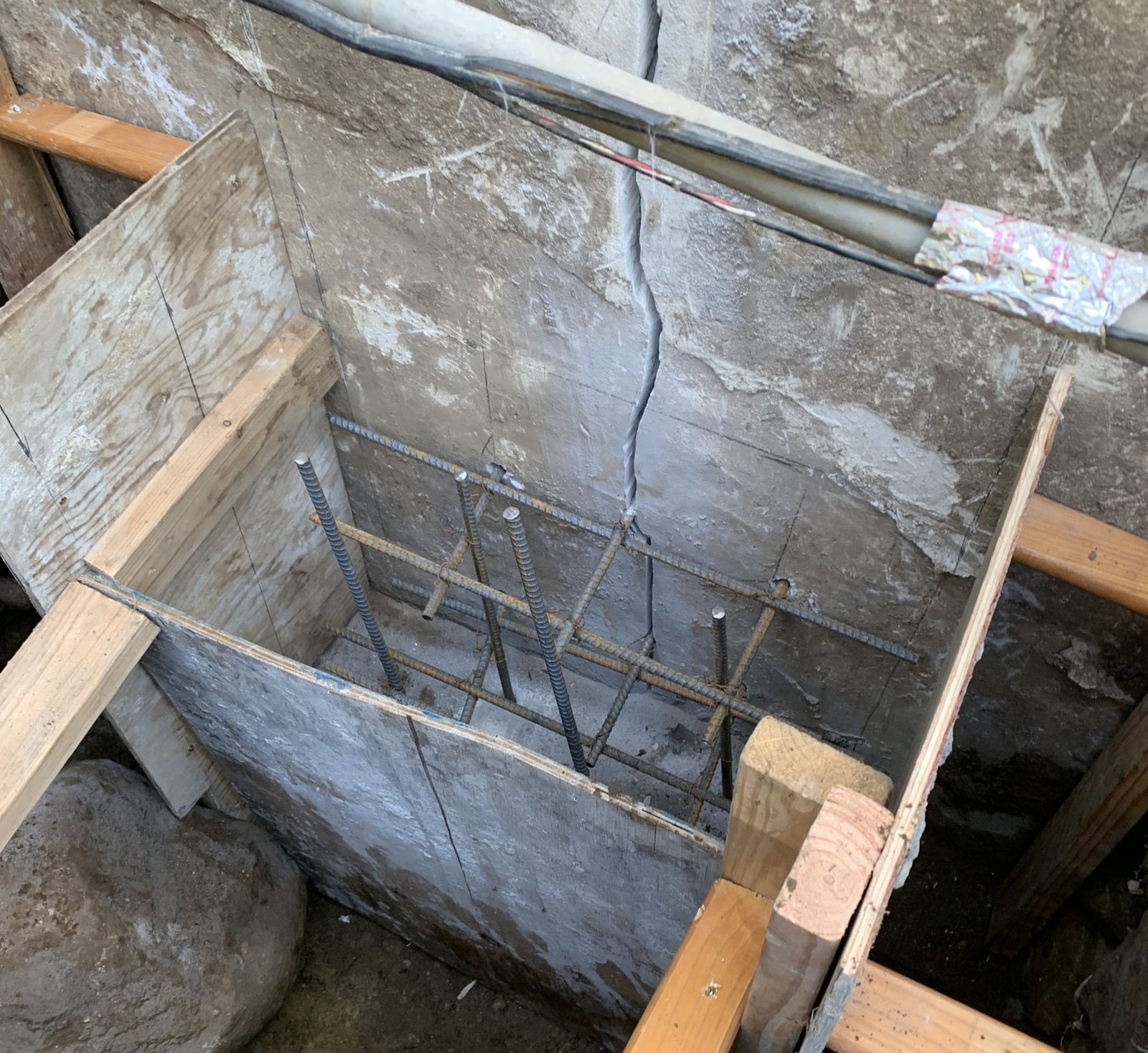
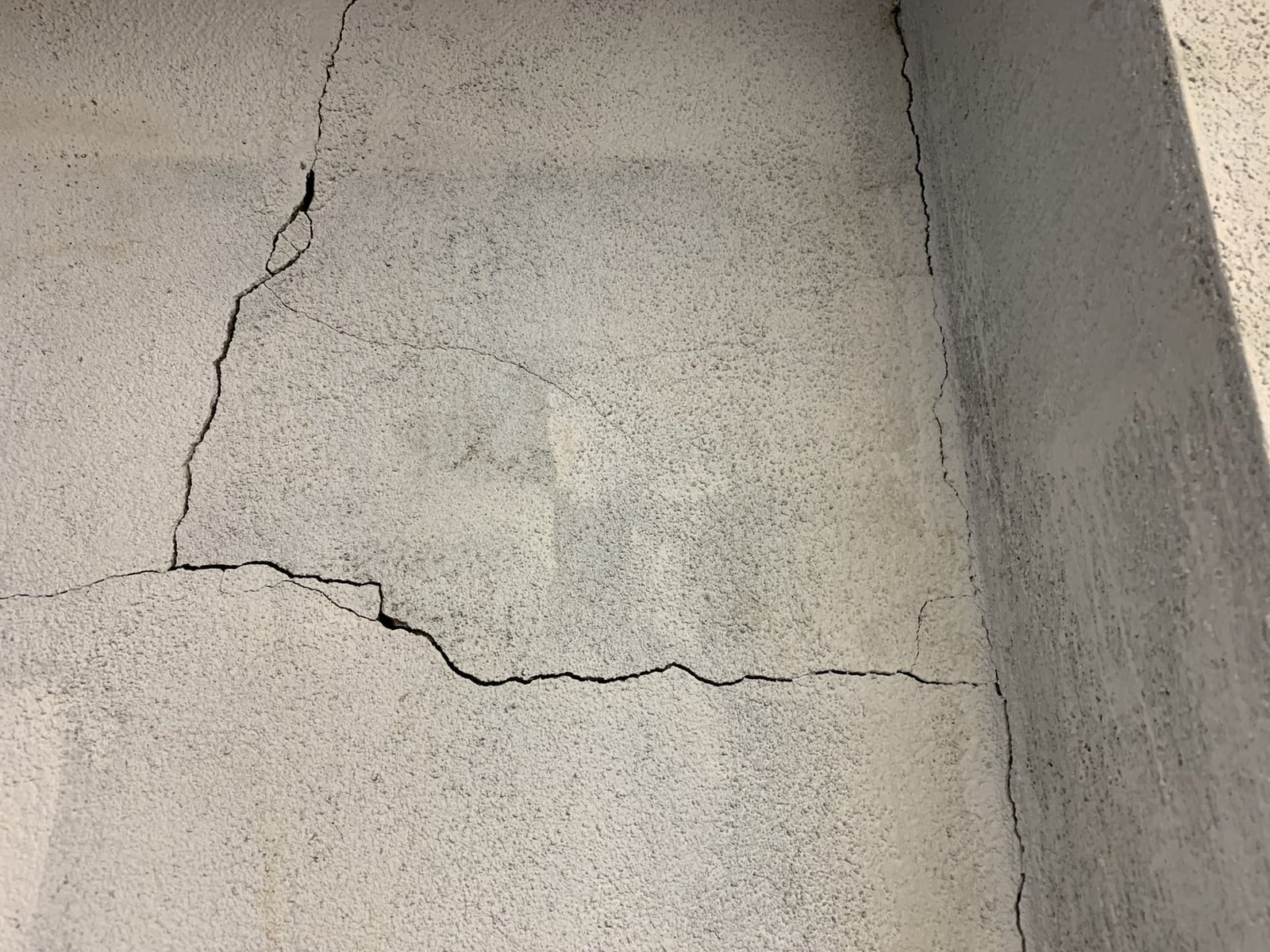

Sometimes it can be difficult to determine the cause behind a certain crack. Even though the majority of these cracks aren't particularly concerning, it's best to watch out for these signs and keep your concrete slab's integrity. Cracks can form in concrete slabs, which are used for flooring, driveways, sidewalks, and many other purposes.
You can evaluate the causes and the best repair procedures by knowing the many sorts of fractures that develop in concrete slabs.
1. Diagonal Cracks
Normal locations for diagonal cracks on a reinforced concrete slab are along its height. These cracks can compromise the stability of the concrete slab since they affect the full face of the column. The majority of the time, diagonal cracks can be caused by a small cross-section. Other causes include insufficient steel reinforcing or column load-bearing capabilities. Fix these cracks as soon as possible, they immediately jeopardize stability.
2. Splitting Cracks
Splitting cracks in reinforced concrete slabs are short, parallel, and vertical fissures of variable lengths. Columns with poor concrete quality or insufficient steel reinforcing are more prone to splitting fractures. They typically appear when the slab is loaded above its breaking point.
3. Horizontal Cracks
At the intersection of the beam and column, reinforced concrete slabs may have horizontal fissures. Such cracks may appear on the column face if tensile tension is significant. These are caused by insufficient reinforcement and moment resistance capabilities. Horizontal cracks significantly decrease shear strength and jeopardize the entire structure.
4. Corrosion Cracks
Watch for corrosion cracks near reinforcement lines on the column supporting the concrete slab. Usually symmetrical in breadth, they only get wider with time and concrete deterioration. Reinforcement corrosion or poor bonding between steel bars and concrete is the usual cause.
5. Plastic Shrinkage Cracks
Concrete is in its flexible form just before it hardens, vulnerable to plastic shrinkage cracks. After drying, water leaves air bubbles in the slab that make it more susceptible to cracking. These are most prevalent at reentrant corners, where two corners meet.
6. Expansion Cracks
Concrete slabs expand when heated, pushing against everything that restricts them. Expansion cracks form when concrete cannot flex or bend. Expansion joints, typically constructed from compressible materials like rubber, wood, or asphalt, absorb the shock and prevent cracks over time.
7. Hairline Cracks
While still drying, concrete slabs are most susceptible to hairline cracks. Although they don't affect the base, they can lead to leaks later. Hairline cracks often form if concrete was poured too rapidly or mixed improperly.
8. Heaving Cracks
These appear during winter when concrete continuously freezes and thaws. The slab can rise a few inches before it thaws and falls again. You can avoid these fissures by allowing the slab adequate room to move freely with the ground, and by avoiding placement too close to tree saplings.
9. Settlement Cracks
Insufficient subsurface consistency or inadequate ground preparation makes slabs more susceptible to settlement cracks. After concrete is poured, they typically develop over areas of uneven subgrade soil. The base 'bends' over one spot, allowing for differential settlement. These cracks are larger at their beginning than at their end.
10. Structural Cracks
A residential concrete foundation can develop structural cracks due to horizontal settlement or loading, extreme hydrostatic pressure or heavy machinery near the foundation wall. Structural cracks are often horizontal and extend 16 to 48 inches from the starting point. Block foundation walls are more prone than poured concrete.
Raf Volkov
Raf has personally inspected and supervised more than 1,300 foundation repairs across Fairfield County, CT and Westchester County, NY since 2002. He attends World of Concrete and manufacturer trainings every year, currently holds 60+ active industry certifications, and works with a scientific background spanning microbiology, toxicology, and structural engineering — applied to every wall, slab, and footing we touch.
Got a crack that needs a real diagnosis?
We service Fairfield County CT and Westchester County NY. Free on-site inspection, honest root-cause diagnosis, written quote, no obligation.