
Even minor earthquakes can affect the structural stability of a home. While large seismic events receive the most attention, smaller earthquakes can still cause subtle movement in the ground that transfers stress into a building's foundation and walls.
Recently, residents in Westchester experienced seismic activity that raised questions about whether small earthquakes can damage houses. Structural engineers often recommend inspecting foundations after measurable seismic vibrations, because even low-magnitude earthquakes can create stress points that lead to cracks, shifting, or gradual structural weakening.
Why Even Small Earthquakes Can Affect a Home's Structure
Earthquakes generate seismic waves that travel through the ground. These waves create sudden shifts in soil layers, which can transfer movement directly to a building's foundation.
Even earthquakes with a magnitude around 1.3 to 2.0 can create measurable vibrations. While they may not cause immediate structural failure, they can still introduce small stresses that accumulate over time.
These stresses may result in:
- Minor foundation movement
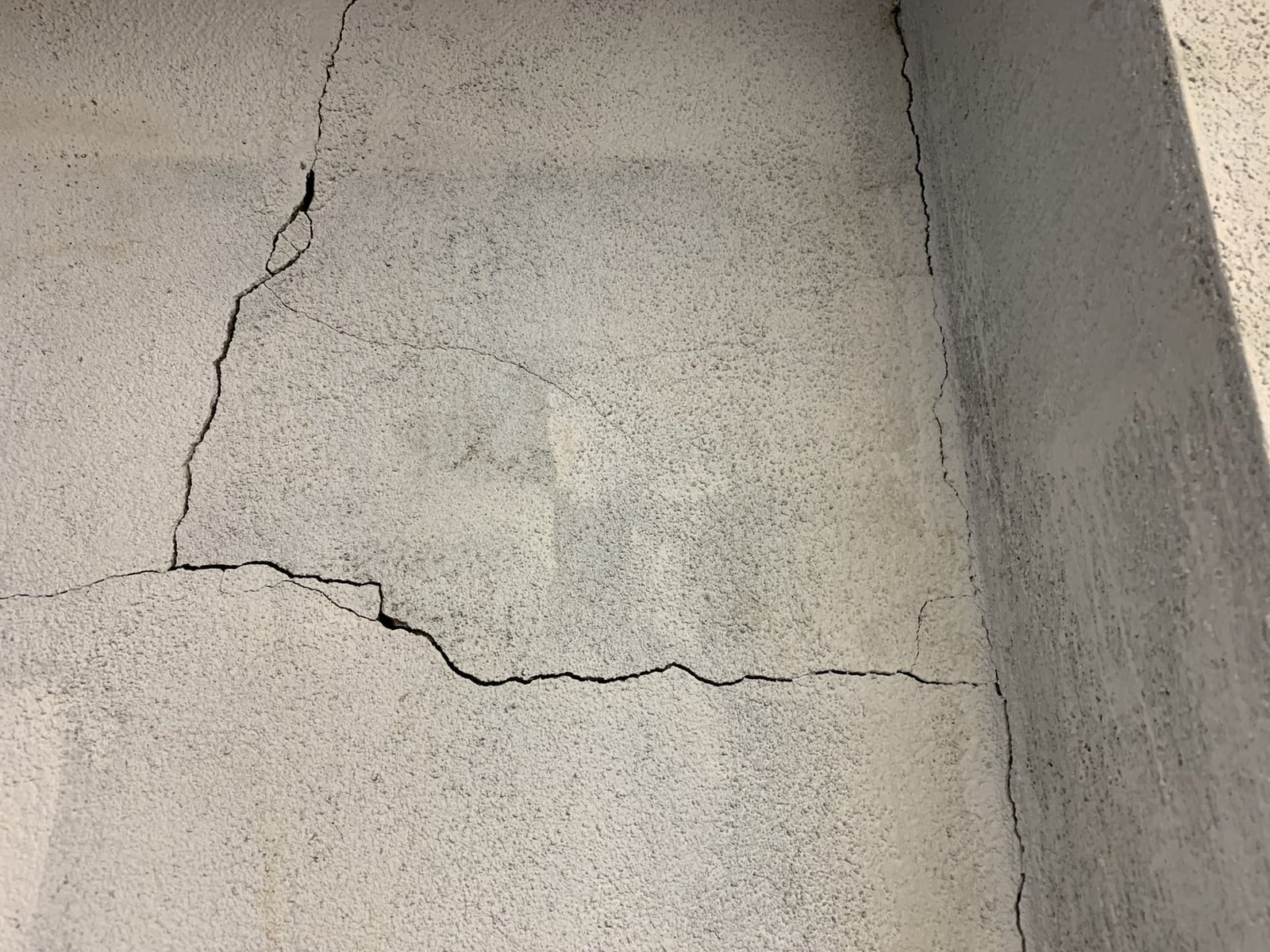
- Hairline cracks in drywall or plaster
- Expansion of existing structural cracks
- Shifting around door and window frames
- Pressure changes in load-bearing walls
How Seismic Vibrations Transfer Stress Into Foundations
A building's foundation is designed to distribute the weight of the structure evenly into the ground. When seismic waves pass through the soil, they temporarily disturb this balance.
The process typically happens in three stages: ground movement (soil layers shift or vibrate during the earthquake), foundation displacement (the foundation may move slightly as the ground beneath it shifts), and structural stress distribution (the movement transfers stress upward into walls, beams, and floors).
Even a slight displacement can create tension in materials like concrete, brick, and drywall. These materials are strong under compression but relatively weak under tension, which is why cracks often appear after seismic activity.
Common Types of Cracks That Appear After Earthquakes
Hairline wall cracks
These often appear in drywall or plaster and may run vertically or diagonally. They usually result from minor stress shifts.
Stair-step cracks in masonry
Brick or block walls sometimes develop step-like cracks along mortar joints. This pattern can indicate foundation movement.
Diagonal cracks near doors or windows
Openings in walls are natural weak points. Seismic stress often concentrates around these areas.
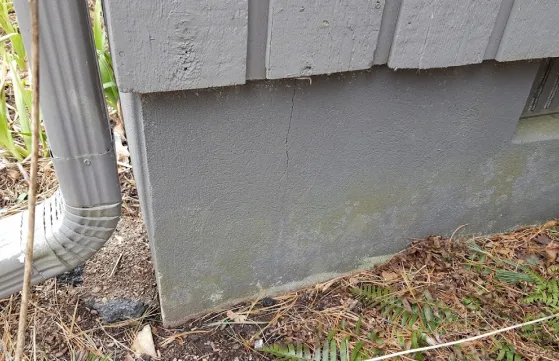
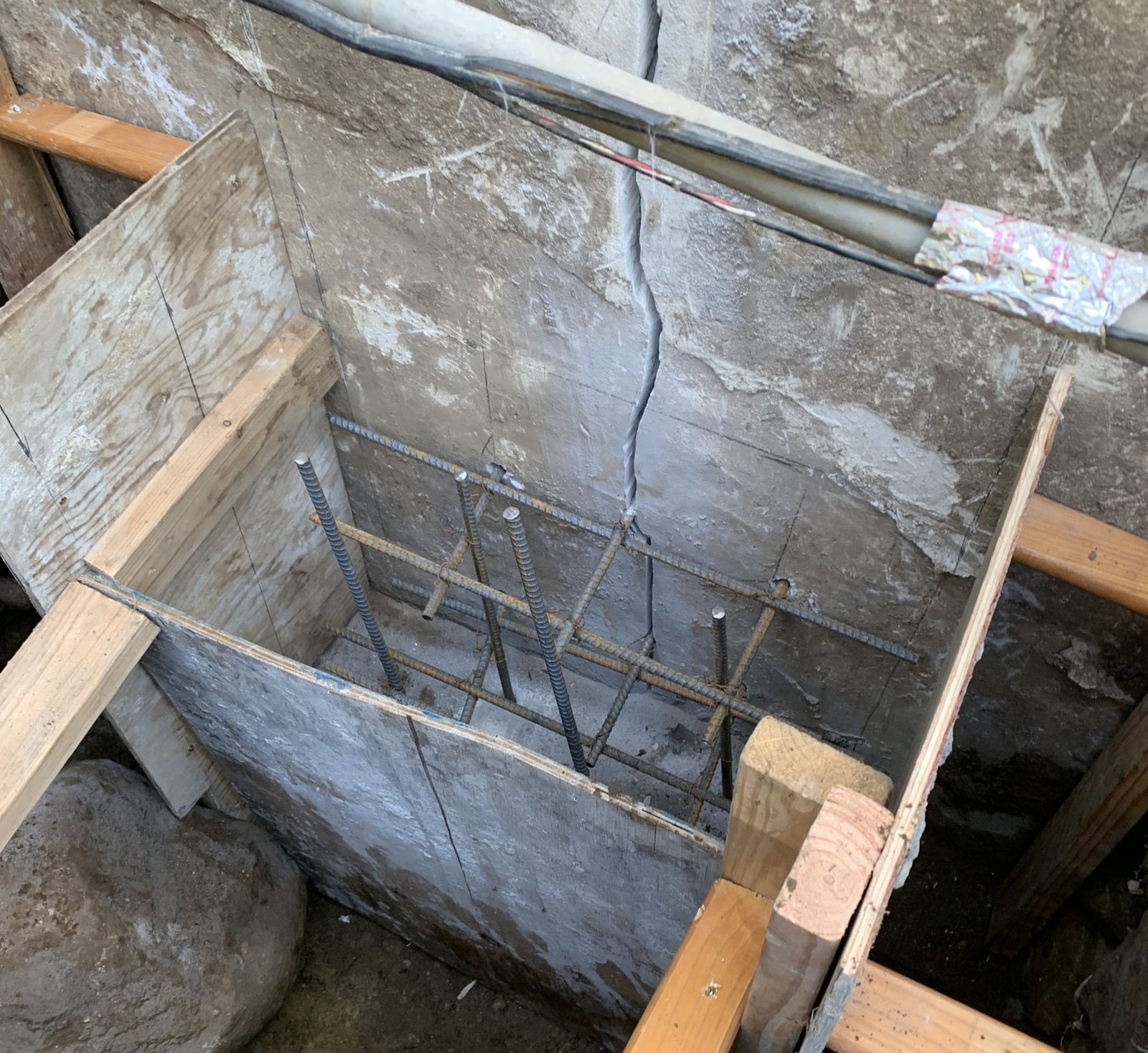
Foundation cracks
Concrete foundations may develop horizontal or vertical cracks when soil movement creates uneven pressure.
Why Older Homes Are More Vulnerable
Older houses often have foundations that were built before modern seismic design standards were introduced. Aging concrete or mortar, soil settlement over decades, previous structural repairs, water infiltration weakening the foundation, and outdated construction methods all increase vulnerability.
When a small earthquake occurs, these existing weaknesses may become visible through cracks or slight structural movement. Homes with older foundations should be inspected after seismic activity, even if the earthquake felt minor.
Signs Your Foundation Should Be Inspected After an Earthquake
- New cracks in walls or ceilings
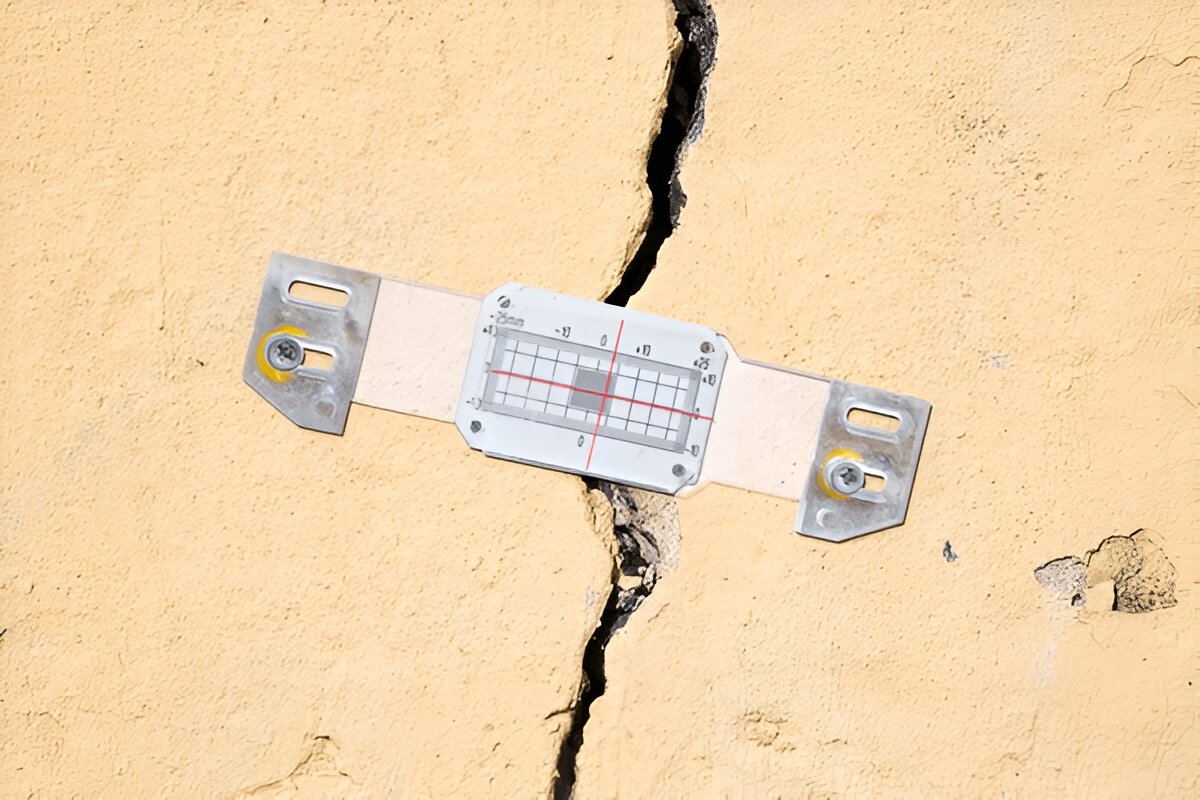
- Widening of existing cracks
- Doors or windows that suddenly stick
- Uneven floors
- Gaps between walls and trim
- Cracks appearing along the foundation exterior
Why Foundation Stability Matters for the Entire Structure
The foundation supports the entire load of a building. When it shifts, the stress can spread throughout wall alignment, roof framing, plumbing lines, window and door frames, and flooring systems.
Addressing early warning signs like cracks or foundation movement helps maintain the long-term stability and safety of the home.
Raf Volkov
Raf has personally inspected and supervised more than 1,300 foundation repairs across Fairfield County, CT and Westchester County, NY since 2002. He attends World of Concrete and manufacturer trainings every year, currently holds 60+ active industry certifications, and works with a scientific background spanning microbiology, toxicology, and structural engineering — applied to every wall, slab, and footing we touch.
Got a crack that needs a real diagnosis?
We service Fairfield County CT and Westchester County NY. Free on-site inspection, honest root-cause diagnosis, written quote, no obligation.